

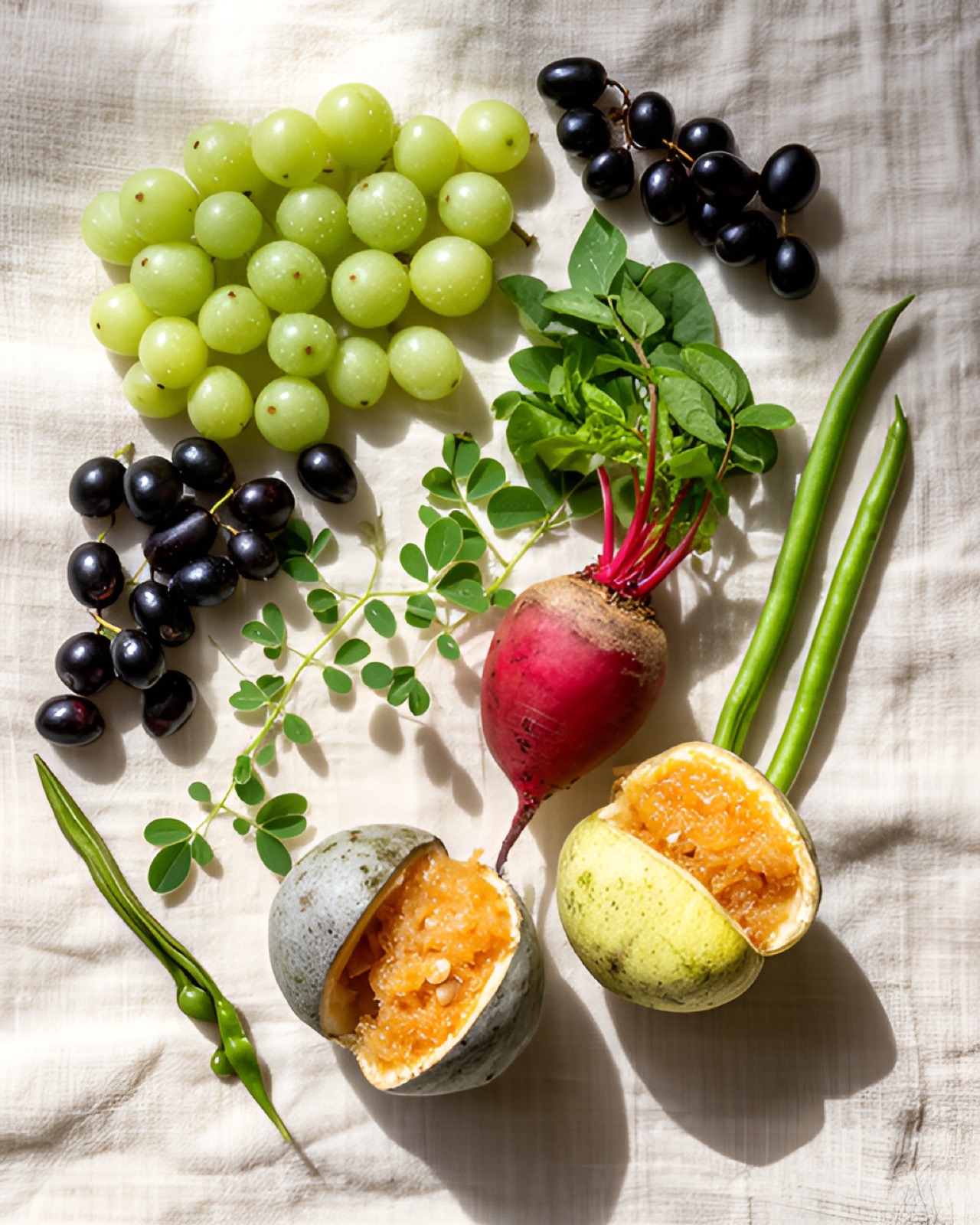
वनस्पति से
From Flora
Fruits, roots and leaves from trees and fields — dried slowly, ground on stone, nothing added.
- आँवलाAmla Powder
- आँवला मुरब्बाAmla Murabba
- जामुनJamun Seed Powder
- चुकंदरBeetroot Powder
- बेलBel Sharbat
- सहजनMoringa Leaf Powder
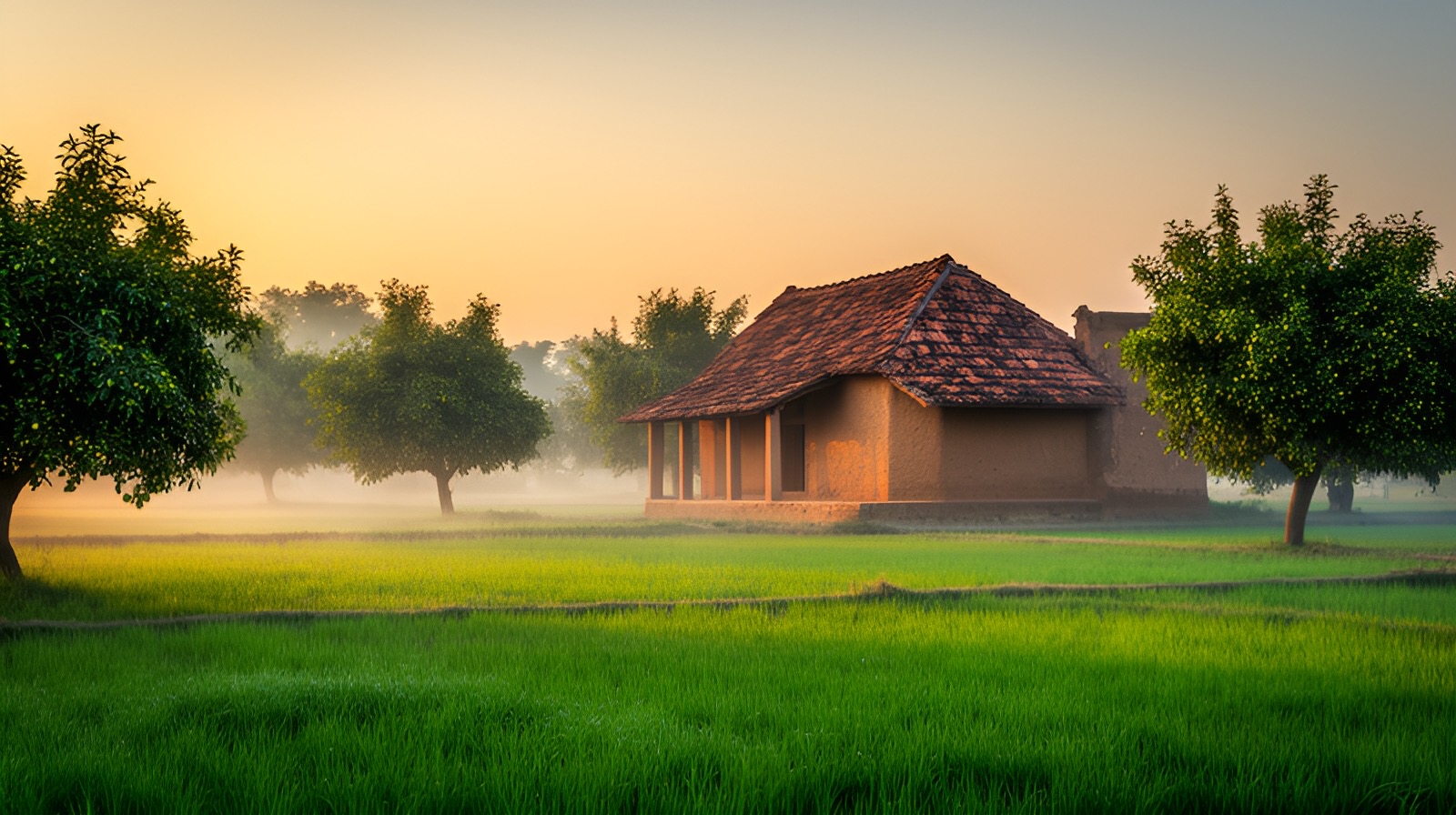
Native Heritage · ओसारा
Amla, jamun, bel and moringa from old orchards. Ghee churned the bilona way. Honey from forest hives. Dried on the verandah, made by hand, sealed in glass.
The Osara ecosystem
An ओसारा is the covered front verandah of a North Indian village home. It is where amla and jamun were dried, where ghee was churned and honey stored. We are building a food company around that verandah: the plants, the animals, the farming and the craft, kept together as one honest chain.
Amla, jamun, bel, beetroot, moringa. Desi cows. Wild bees.
Compost-fed soil, old trees, the seasons respected.
Sun-dried on the osara, stone-ground, bilona-churned.
Eight foods for daily nourishment, sealed in glass.
From earth to cart
Scroll slowly. Follow the thread from the soil to your kitchen shelf.
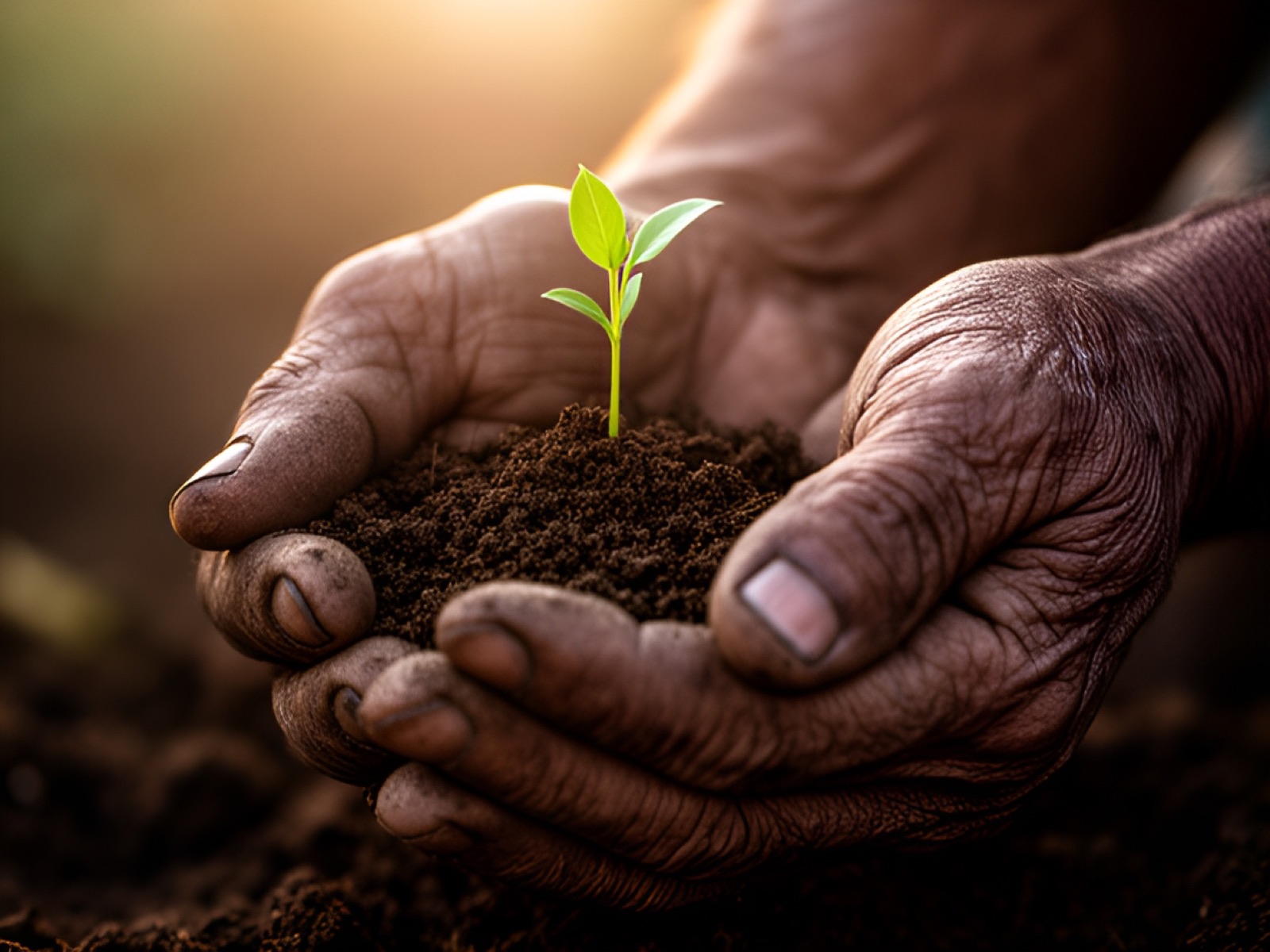
मिट्टी
Stage 01 · Soil
Every jar starts as soil. Our sourcing standard asks for farms fed with cow-dung compost, green manure and crop rotation — slower, older ways that keep the ground alive for the next season, and the one after.
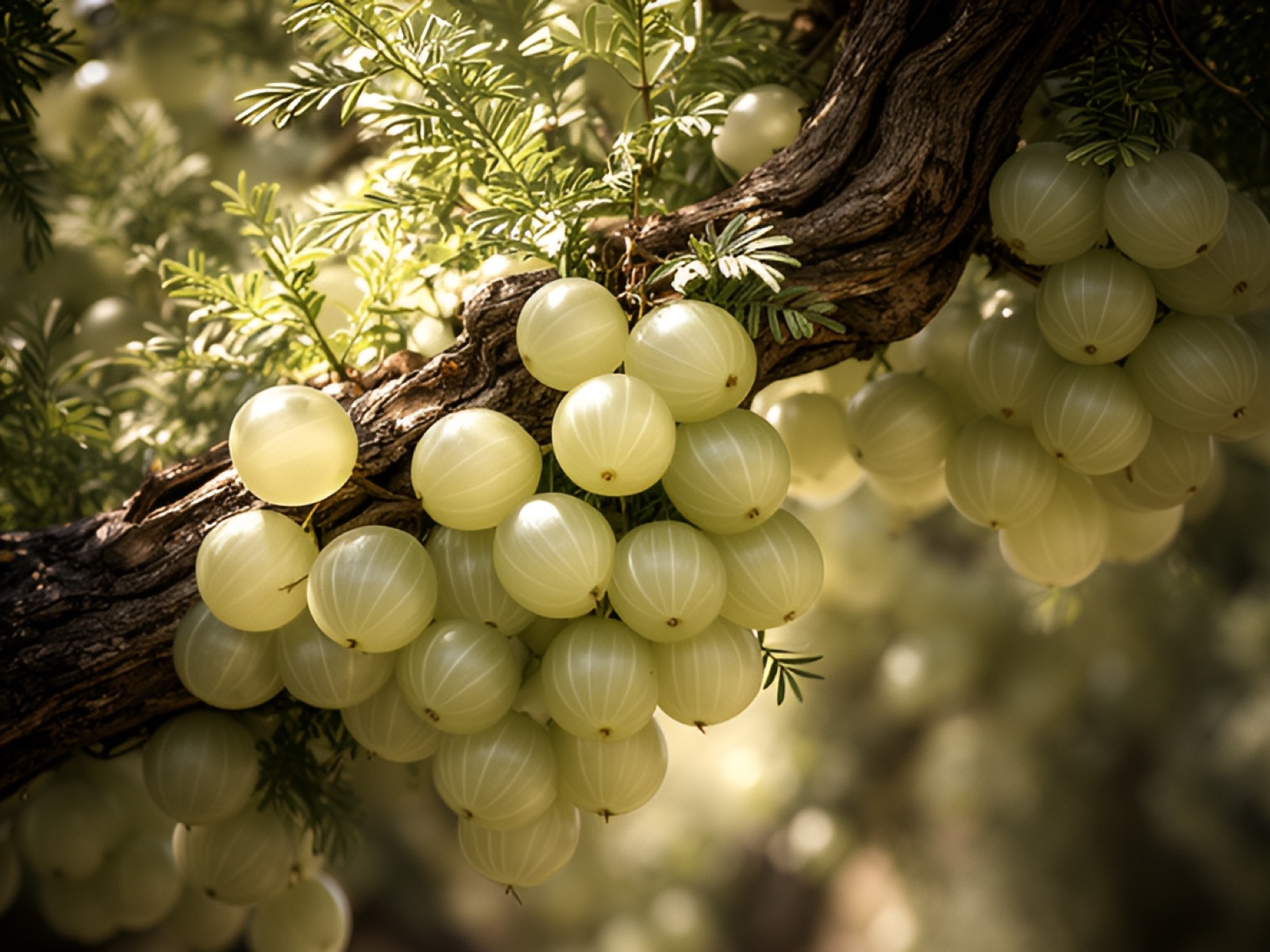
बाग़
Stage 02 · Orchard & field
Amla, jamun and bel are long-lived trees of the Gangetic plains; beetroot and moringa grow at their feet. Desi cows graze the field edges, and hives sit beside flowering mustard.
फ़सल
Stage 03 · Harvest
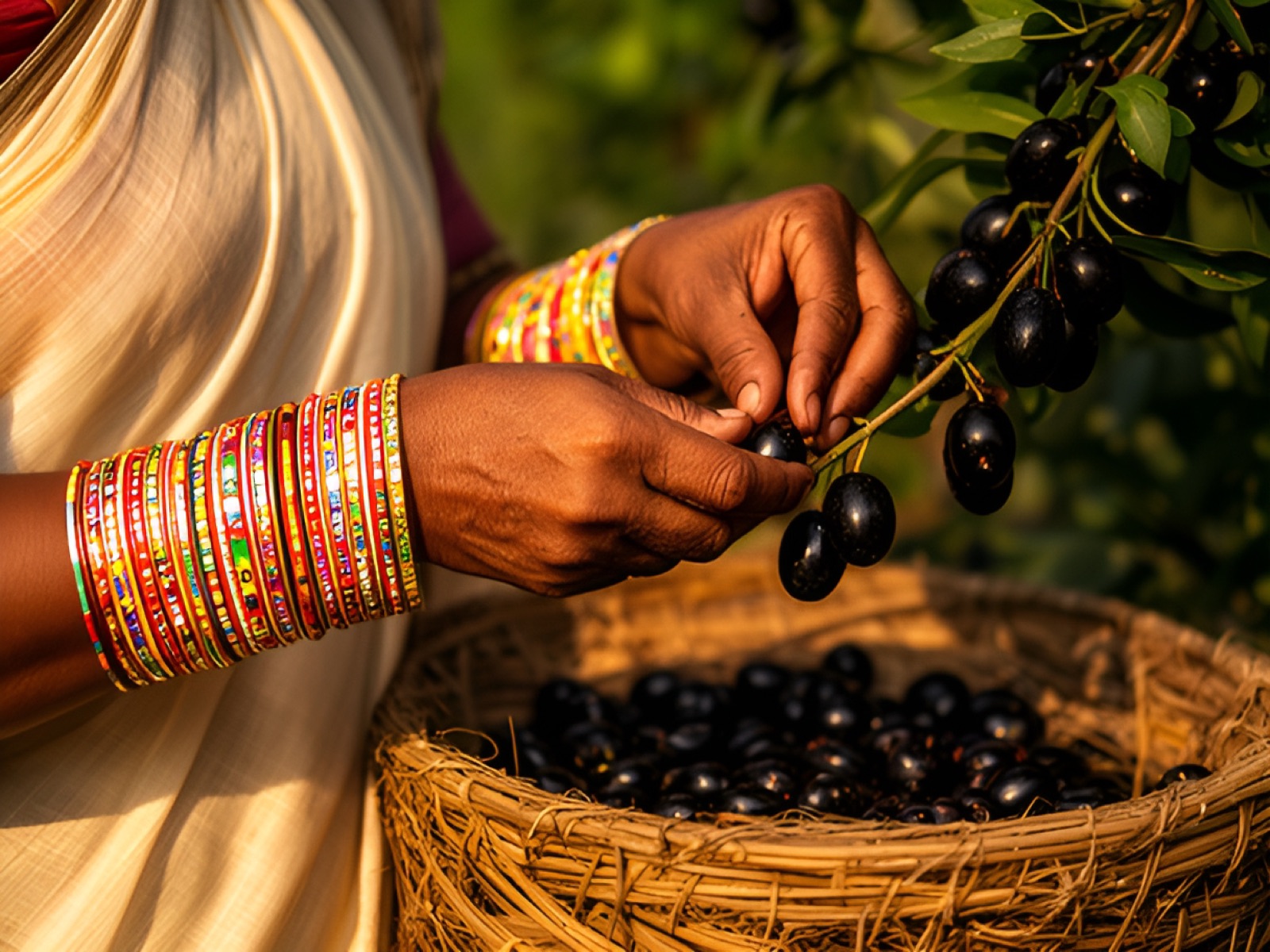
Amla in the cold months, jamun with the first monsoon rain, bel in the heat of May. We follow the calendar of the trees rather than the calendar of the market.
ओसारा
Stage 04 · Sun-drying on the osara
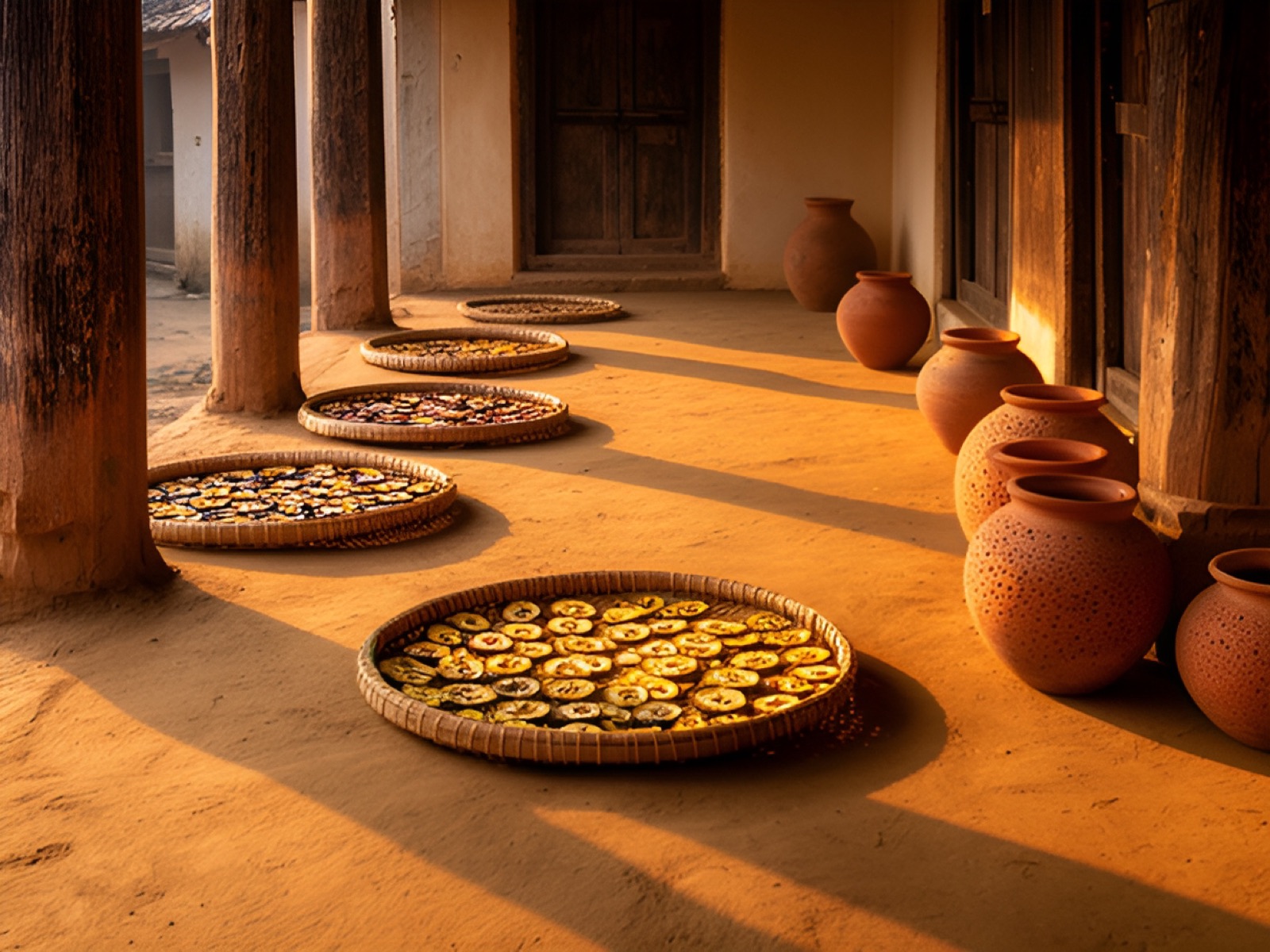
On the covered verandah of a village home, fruit is sliced and laid on bamboo trays to dry in shade and slanting sun — the same unhurried method grandmothers used to keep the harvest through the year.
हुनर
Stage 05 · Craft
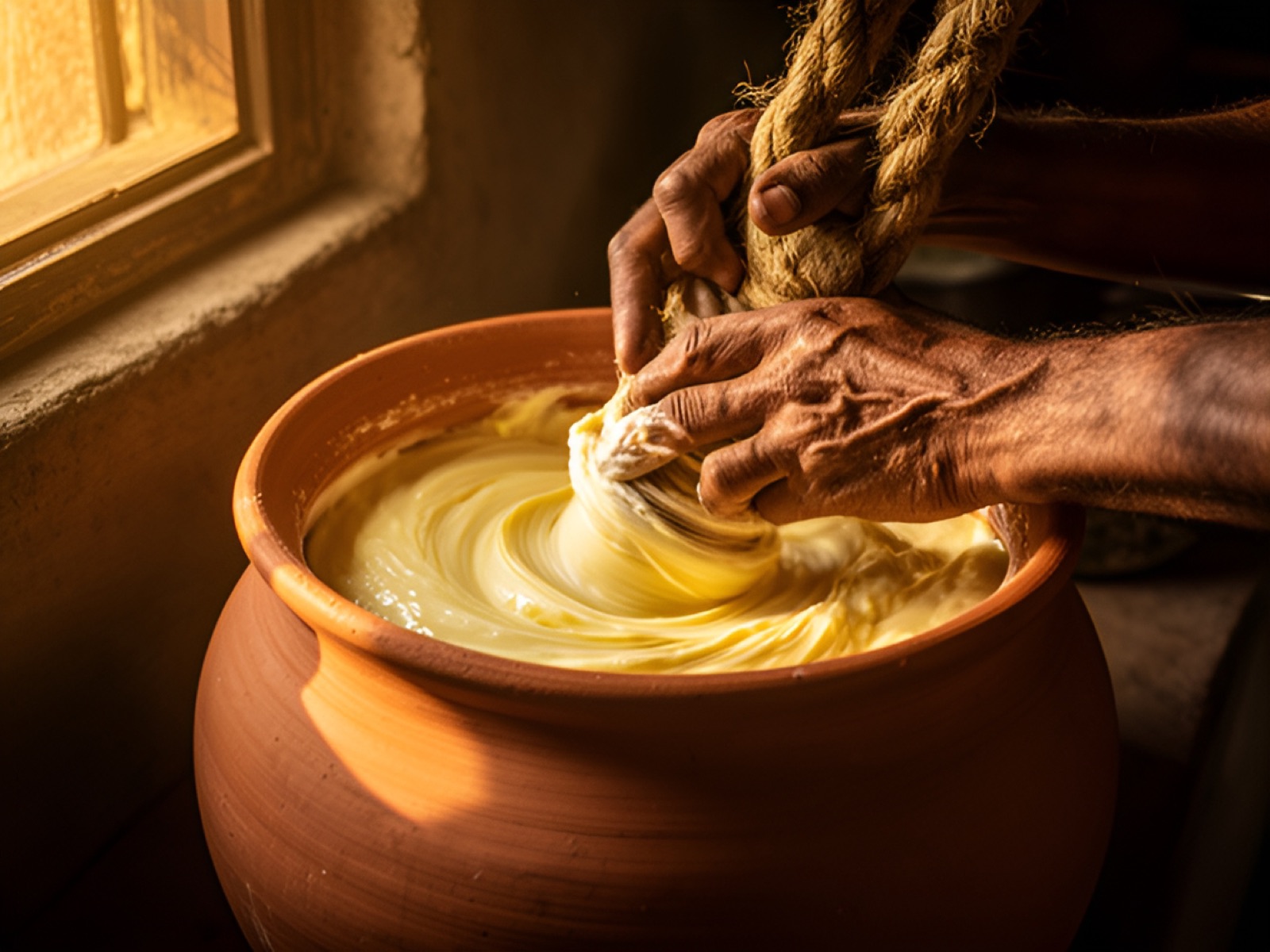
Dried fruit and leaves are milled slowly so they stay cool. Ghee is made the bilona way: milk set into curd, curd churned by hand into makkhan, makkhan simmered until it smells of home.
बरनी
Stage 06 · Sealed in glass
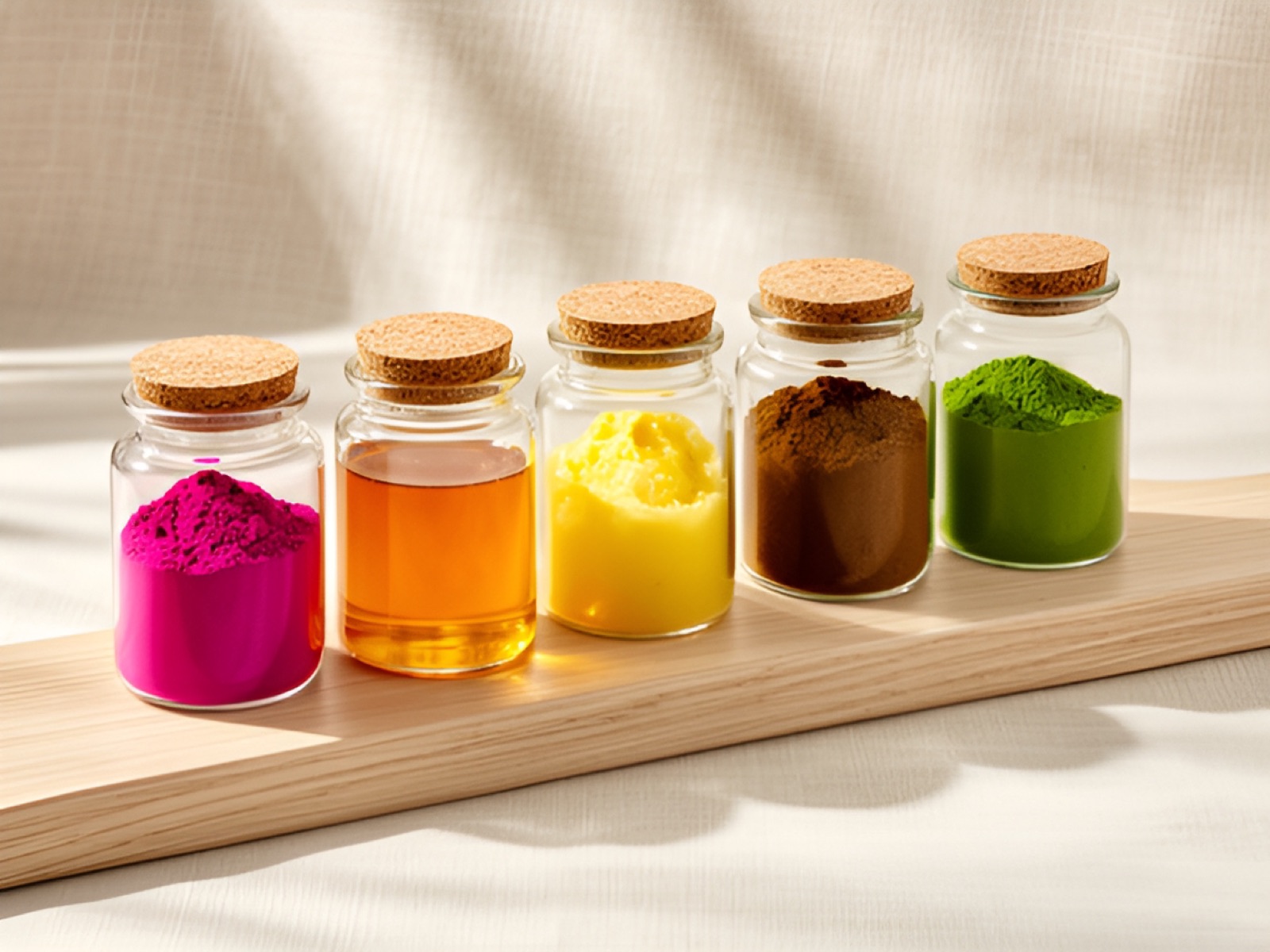
Glass jars, natural cork, a batch code on every lid so you can trace it back. Before launch, every batch will be lab-tested and the report shared with you.
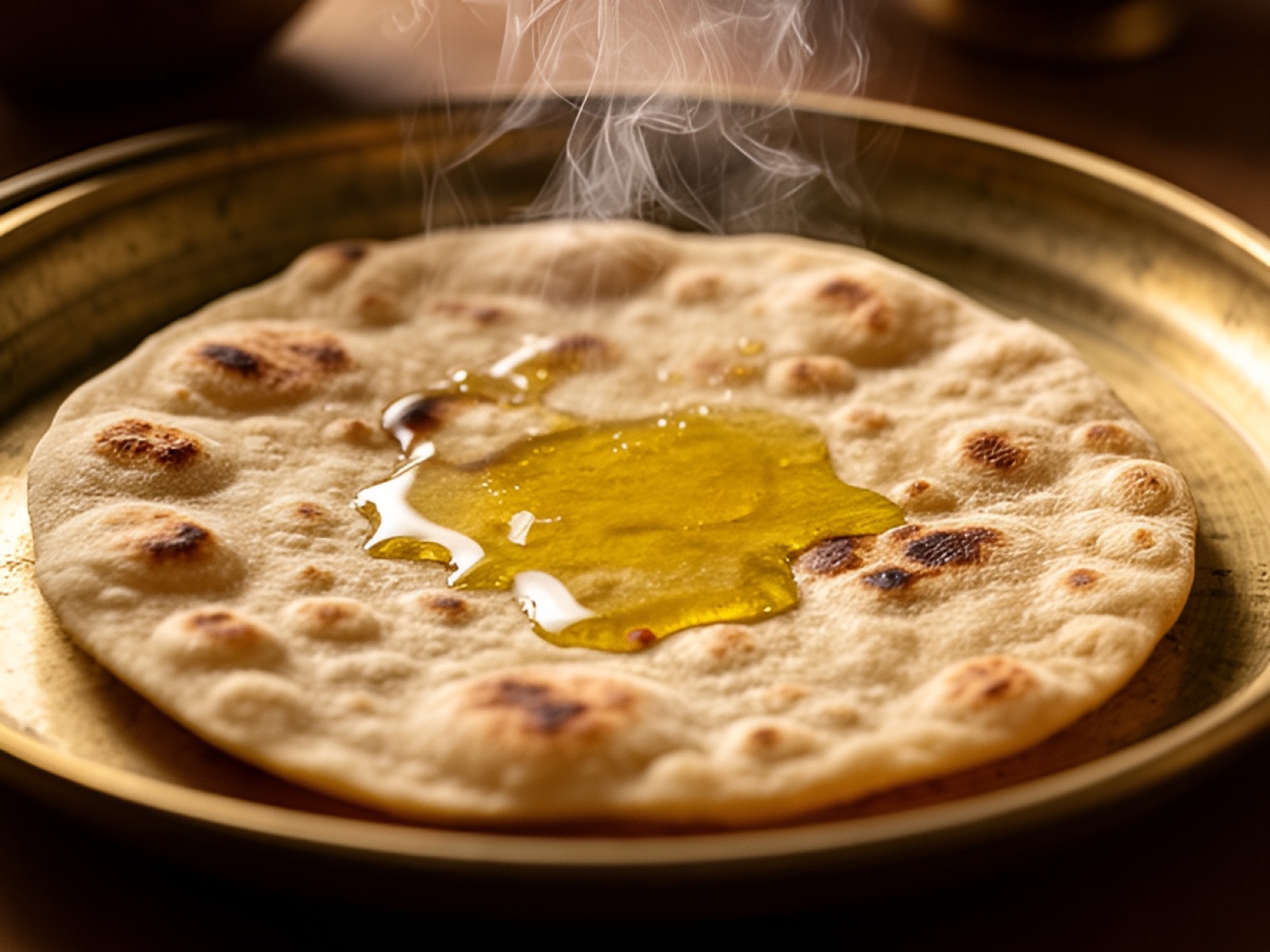
आपका घर
Stage 07 · Your cart
The thread ends with you. Start with the three foods that have lived on the osara the longest.
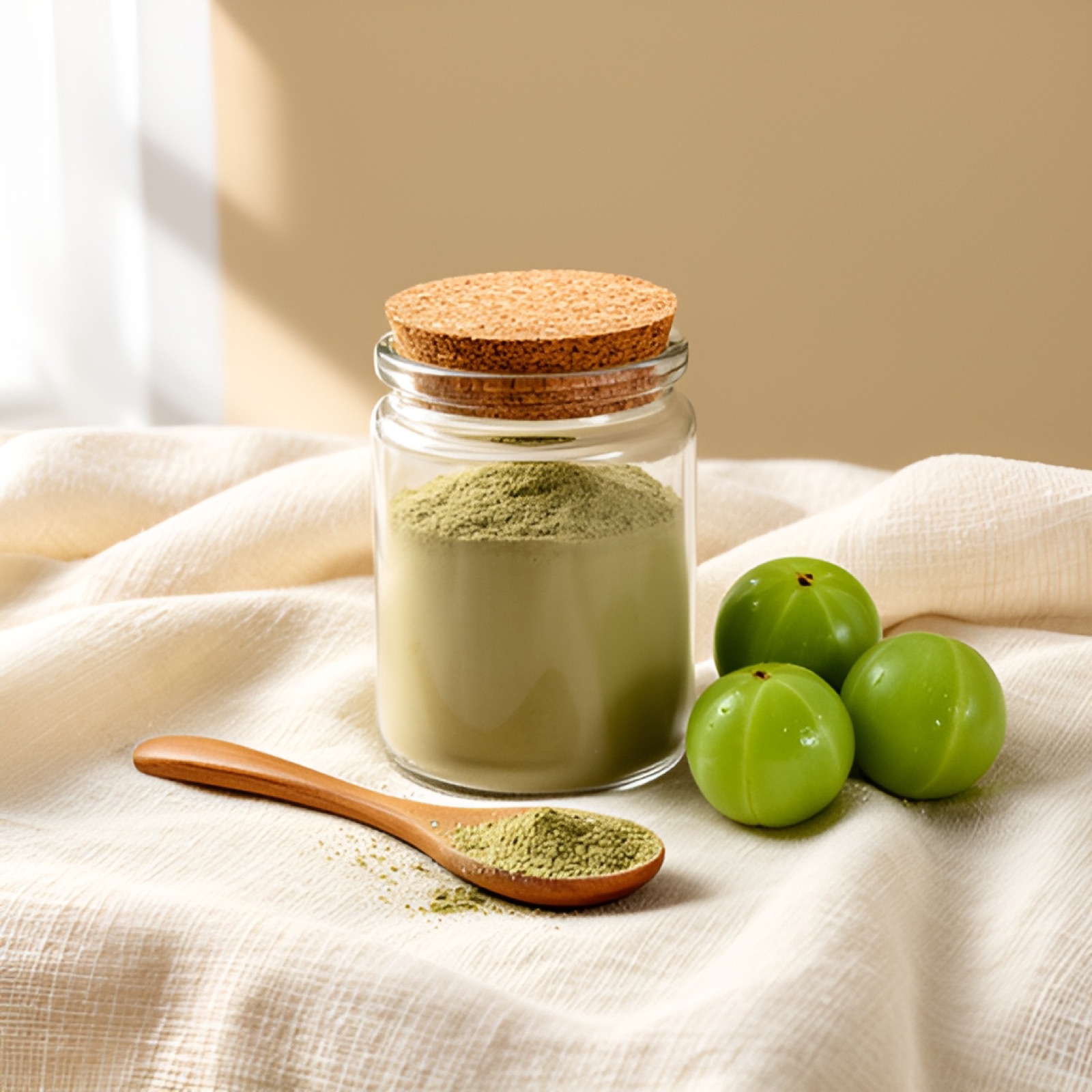
Amla Powder
₹349 · 200 g
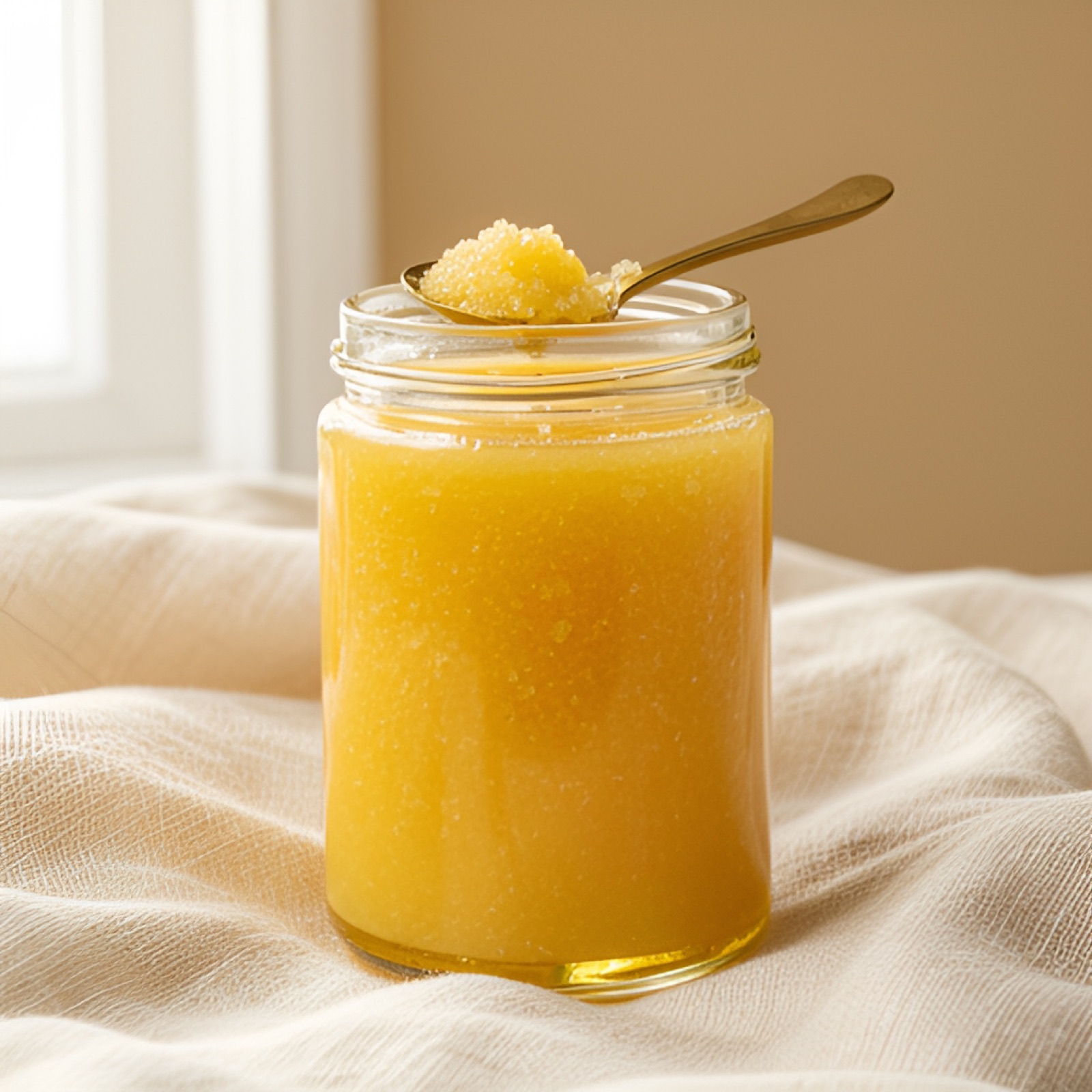
A2 Desi Cow Ghee
₹1,299 · 500 ml
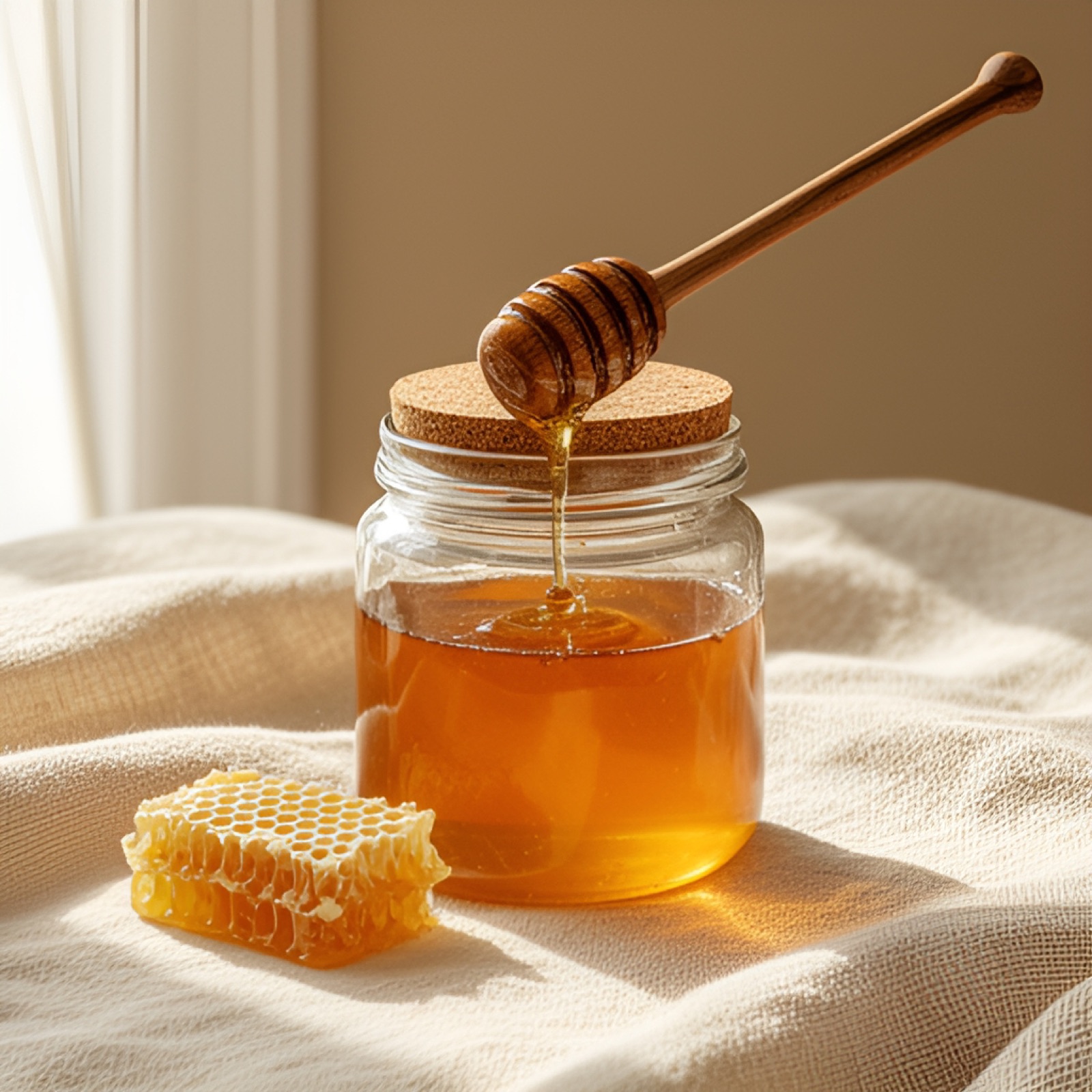
Raw Wild Forest Honey
₹549 · 500 g
Flora & Fauna
वनस्पति से
Fruits, roots and leaves from trees and fields — dried slowly, ground on stone, nothing added.
पशु से
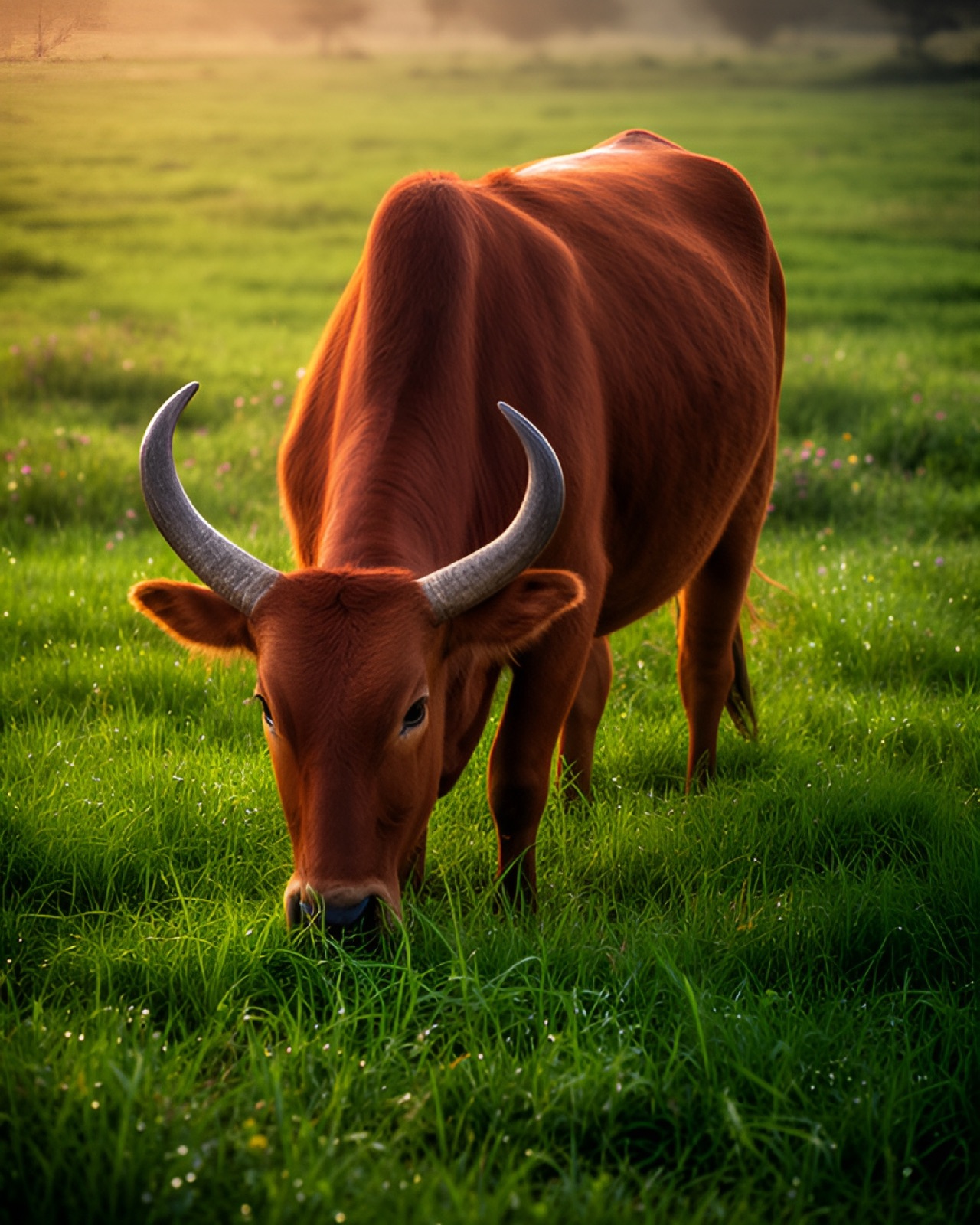
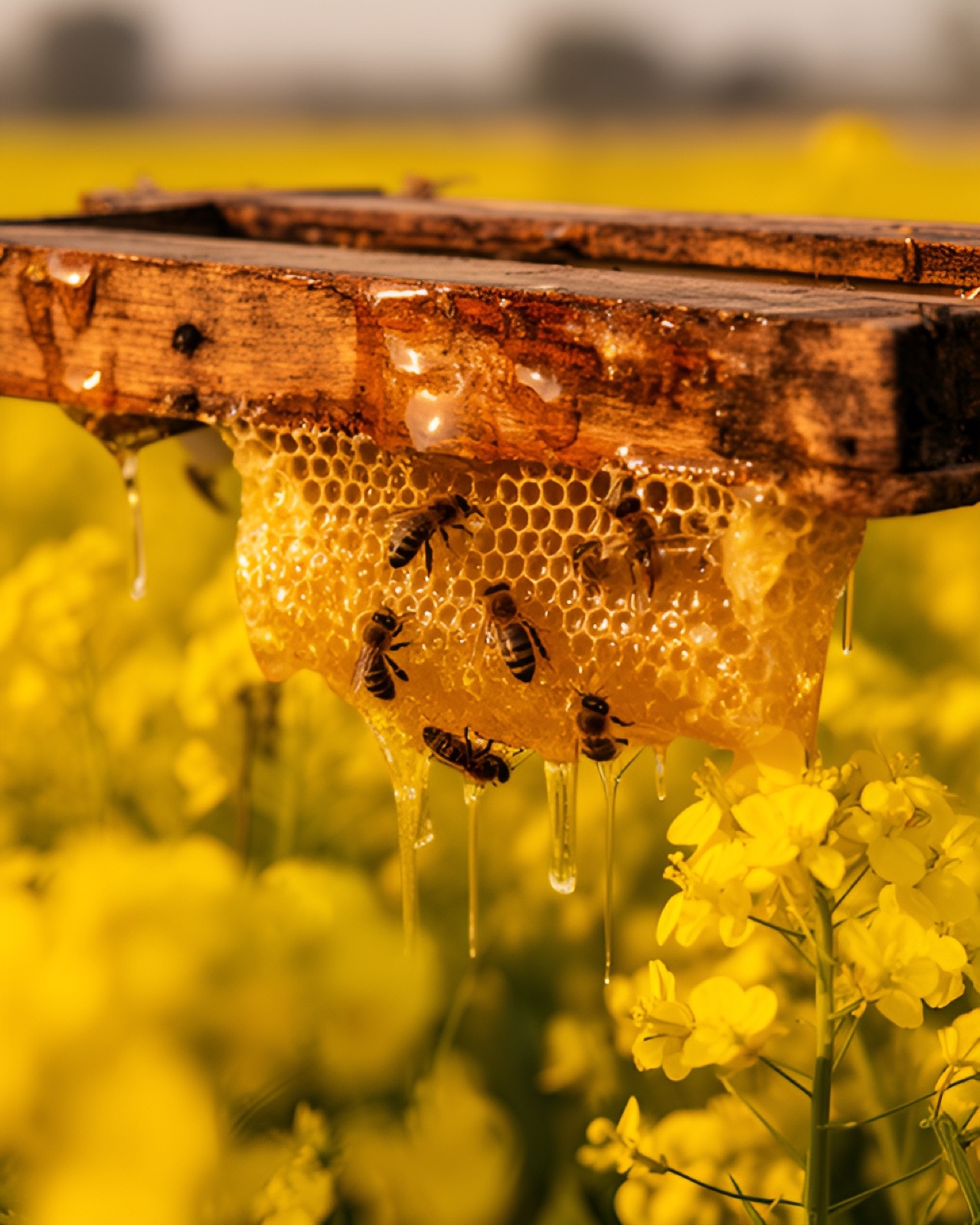
From desi cows that graze, and bees that forage wild. Taken gently, in small quantities, with care for the animal first.
Shop faunaThe pantry
आँवला
4.8Sample
Sun-dried Indian gooseberry, stone-ground slow and cool.
₹349200 g
आँवला मुरब्बा
4.9Sample
Whole amla, slow-steeped in syrup the way it was in nani’s kitchen.
₹399500 g
जामुन
4.7Sample
Seeds of the monsoon jamun, sun-dried and finely milled.
₹379200 g
चुकंदर
4.6Sample
Earth-red roots, sliced and dried at low temperature.
₹329200 g
बेल
4.8Sample
Ripe bel pulp — the summer cooler of the Gangetic plains.
₹299500 ml
सहजन
4.7Sample
Drumstick-tree leaves, shade-dried to keep their green.
₹299150 g
घी
4.9Sample
Bilona-churned from cultured curd, from the milk of desi cows.
₹1,299500 ml
शहद
4.8Sample
Raw and unheated, from forest and mustard-field hives.
₹549500 g
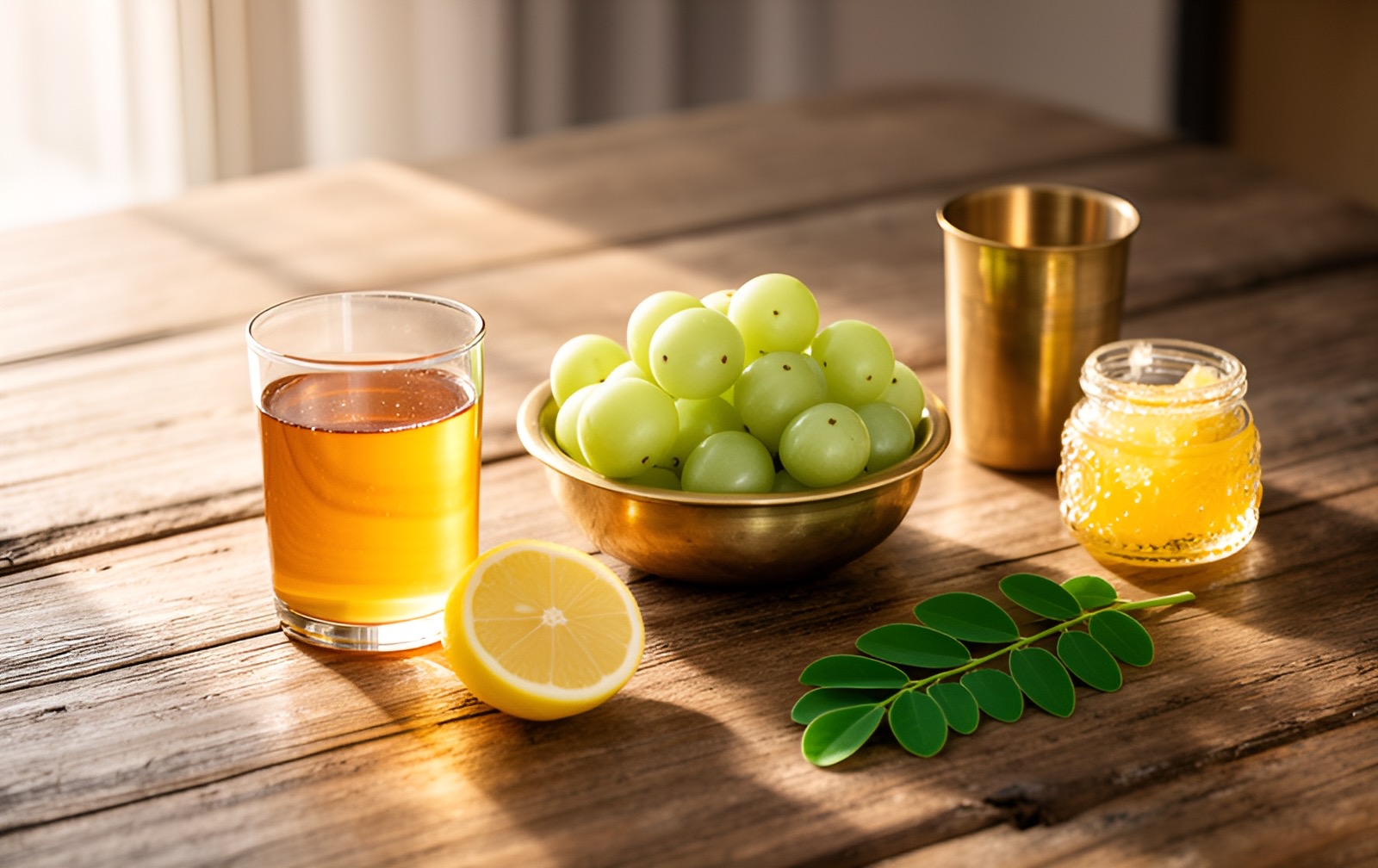
A daily ritual
Ratings & reviews
 Sample
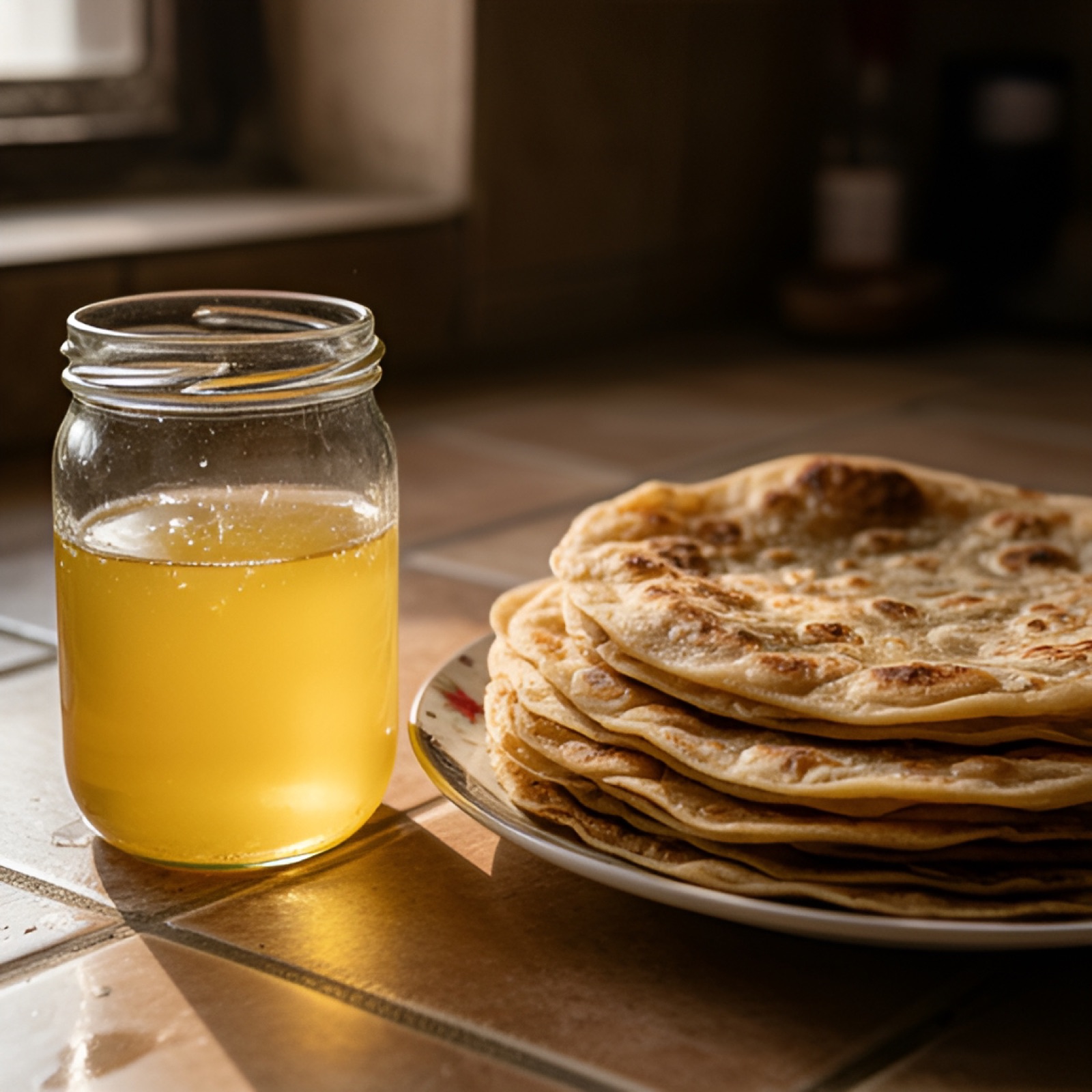
A2 Desi Cow Ghee
“The smell when it hit the hot tawa took me straight back to my grandmother’s kitchen. Grainy, the way real ghee should be.”
Customer name, City · Verified buyer badge appears here
 Sample
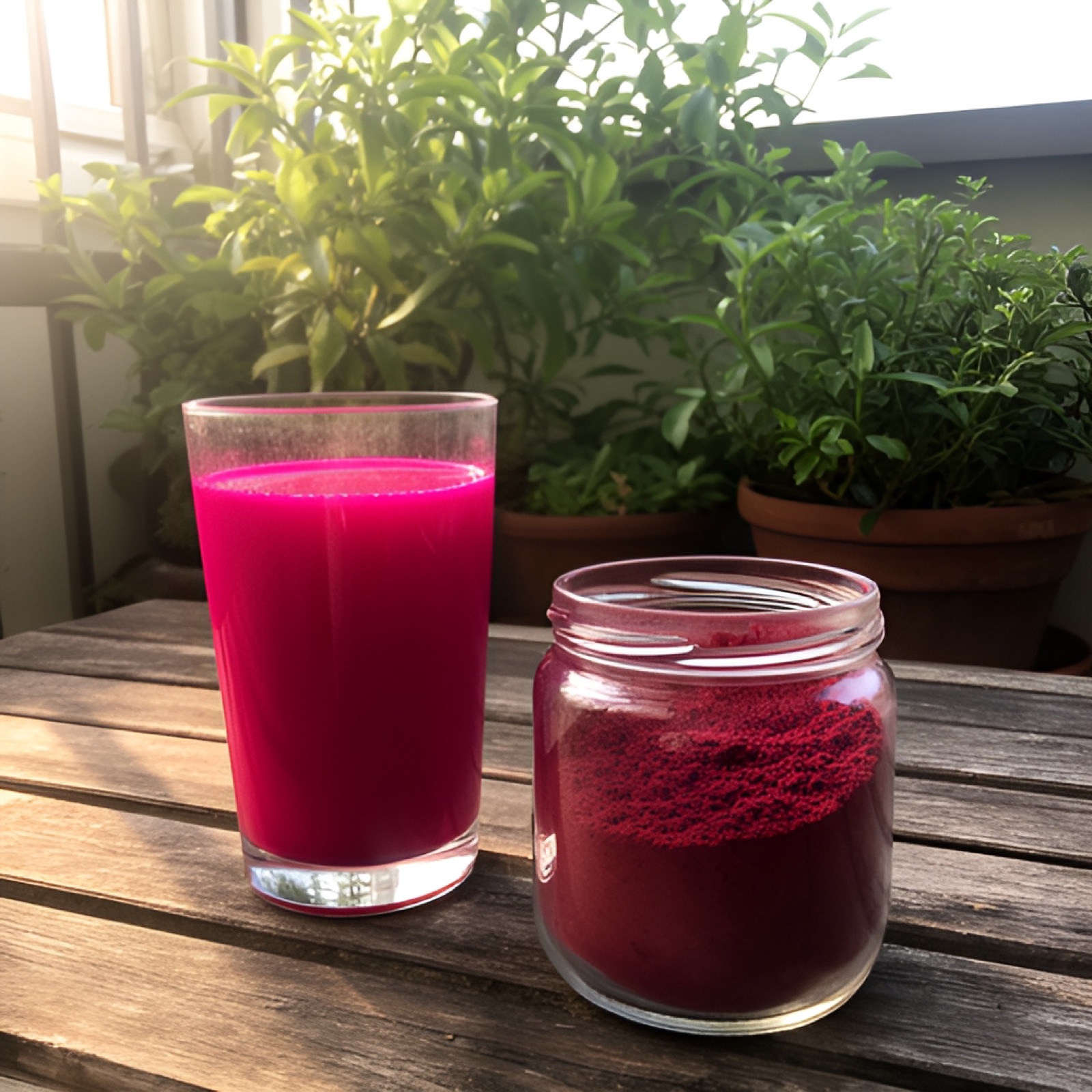
Beetroot Powder
“One spoon in my morning glass and the colour alone wakes me up. Dissolves well, tastes of actual beetroot.”
Customer name, City · Verified buyer badge appears here
 Sample
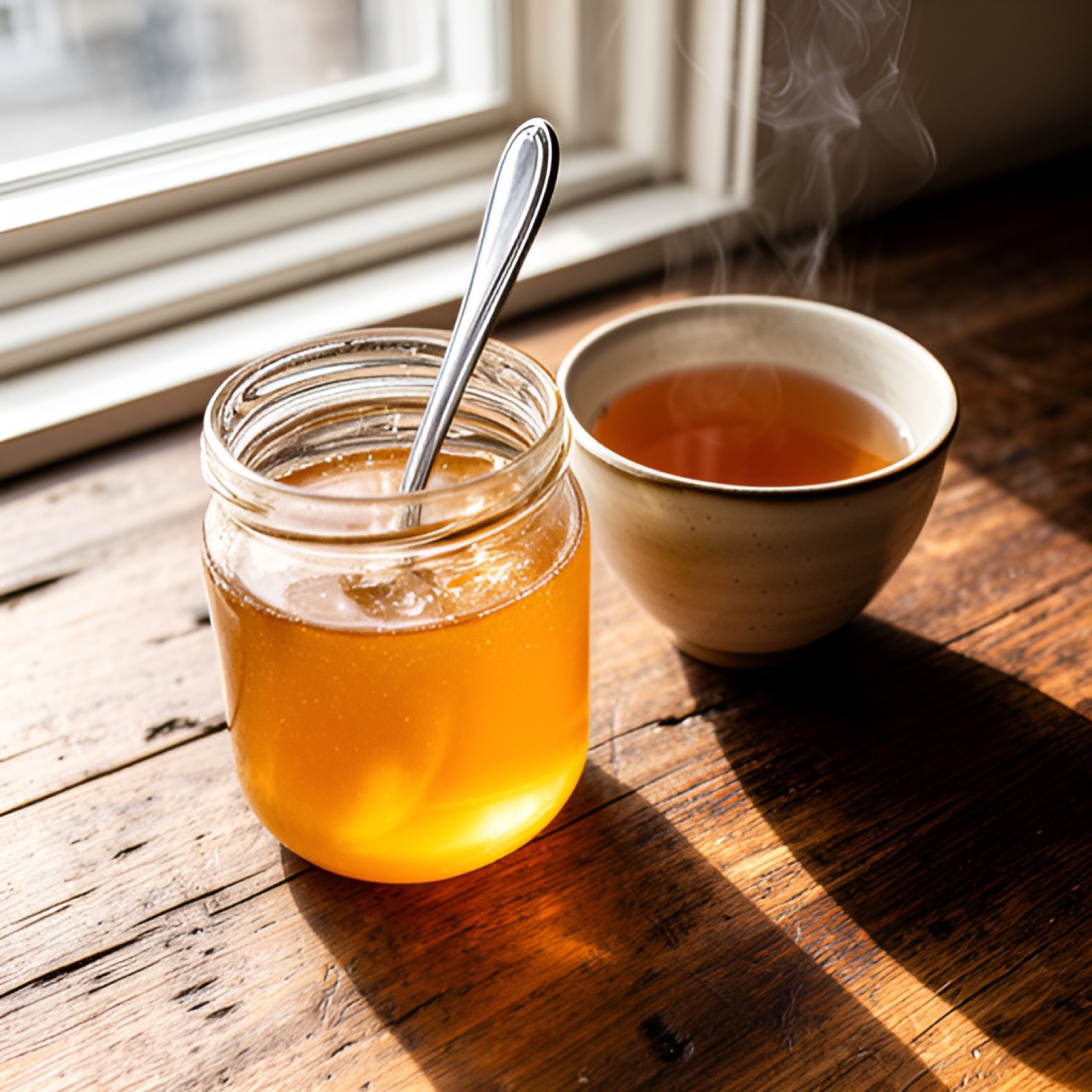
Raw Wild Forest Honey
“Thick, slow, and it crystallised a little in the cold — which I now know is a good sign. A spoon in my tea every evening.”
Customer name, City · Verified buyer badge appears here
Osara has not launched yet — these reviews show the layout only. Real, verified reviews will replace them. See the reviews page
In their words
Short films from Osara customers will live here after launch.
Purity at home
Simple, indicative checks drawn from FSSAI’s DART guide and kitchen wisdom. They can hint at adulteration — they are not lab tests, and no home check proves purity on its own.
Honey
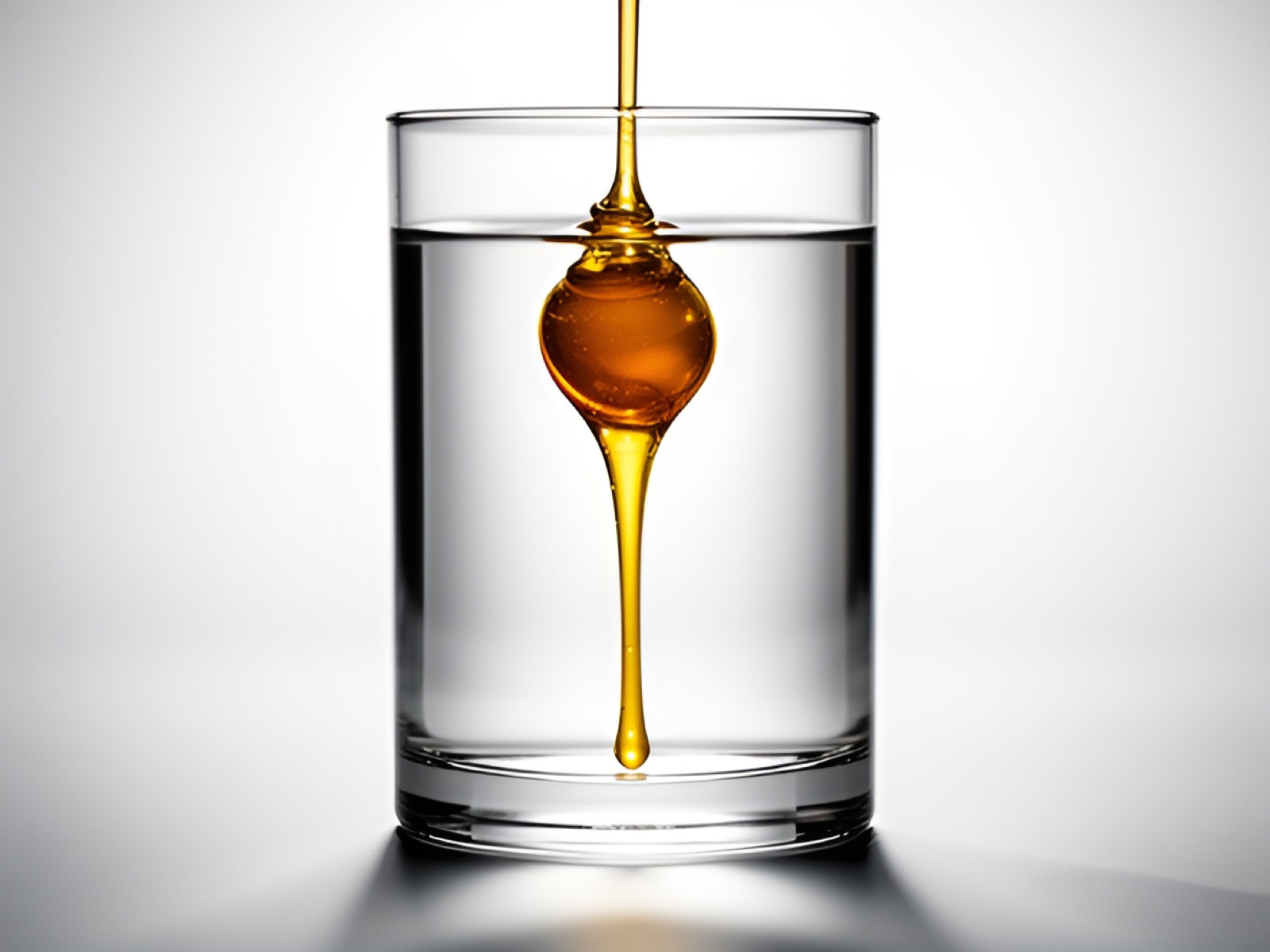
Drop a teaspoon of honey into a glass of room-temperature water without stirring. Pure honey tends to sink as a lump or thread and settles at the bottom; honey diluted with syrup tends to disperse quickly and cloud the water.
Honey
Raw honey often crystallises in cold weather. That is natural — glucose forming crystals. Warm the jar gently in a bowl of warm water (never on the flame) and it will turn liquid again.
Ghee
Melt a spoon of ghee in a glass bowl over warm water, then let it set in the fridge. Pure ghee sets evenly with a uniform grain; a separate layer forming at the top or bottom can suggest another fat has been mixed in.
Ghee
Place a little ghee on your palm. Good ghee begins to melt at body temperature within moments and smells nutty and clean, never waxy or rancid.
Ghee
Boil half a teaspoon of melted ghee with two to three spoons of water, cool, and add two drops of tincture of iodine. A blue colour suggests added starch or mashed potato. No change is what you want to see.
Powders
Sprinkle a pinch of amla, beetroot or moringa powder on a glass of still water. Natural powder floats and slowly settles; bright streaks of colour running down quickly can indicate added artificial colour.
Indicative home checks only. For certainty, food is tested in an NABL-accredited laboratory — we will publish our batch reports before launch.
Join the first harvest
Be the first to know when the first batches are ready.